
Plight of Strait of Hormuz seafarers in spotlight at IMO meet
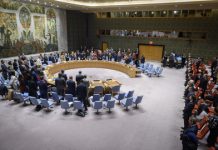
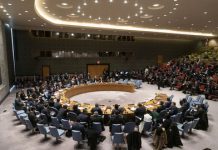
UN Member States gathered in London on Wednesday to discuss how to help thousands of seafarers stranded by the shipping crisis caused by war in the Middle East.
According to the UN International Maritime Organization, IMO, at least seven sailors have died and several others have been injured in multiple Iranian attacks on shipping since the US and Israel began bombing Iran at the end of February.
Delegates at the meeting highlighted how seafarers remain unable to leave their ships and need “reliable access to basic provisions such as food and water”.
IMO Secretary General Arsenio Dominguez said that around 20,000 seafarers remain stranded inside the Persian Gulf “facing high risk and considerable mental strain”:
“Every time shipping is used as collateral damage in these conflicts, the whole world is negatively affected, from the global economy to food security, underlying the importance of freedom of navigation, seafarers and the sector as a whole.”
At the IMO meeting, China called for an immediate end to hostilities in the Middle East to stave off “serious repercussions” for global trade and development.
The United States meanwhile urged “partners around the world to support efforts to reopen the Strait of Hormuz bottleneck where shipping has been brought to standstill.
The US delegation also referenced a “maritime reinsurance facility” that it hoped would restore market confidence in shipping. It also supported a proposal for a “maritime corridor for the safe evacuation of merchant ships” in high-risk areas.
Yemen appeal seeks $2 billion for 12 million people in need
To Yemen, where UN aid teams warn that the situation in the war-torn nation remains dire – in a call for $2 billion in aid to deliver lifesaving assistance for 12 million people.
This number includes women and children and comes after more than a decade of prolonged conflict between government forces and Houthi separatist fighters who control the capital, Sana’a. Yemenis have also had to contend with epidemics, climate shocks and funding cuts to aid.
UN data shows that 22.3 million people need aid relief and protection services across Yemen, where 5.2 million are internally displaced, alongside migrants and refugees.
In its 2026 humanitarian needs and response plan, the UN aid coordination office, OCHA, said that 18.3 million people are acutely food insecure.
Equally concerning, more than 2.2 million children under five are acutely malnourished, including more than half a million who suffer from severe acute malnutrition.
“Essential services remain under severe strain,” OCHA reported. Latest data indicates that nearly 40 per cent of health facilities are partially or not functional and 14.4 million people need water, sanitation and hygiene assistance.
Forests under growing threat of climate change-induced wildfires
And finally, the key role played by the world’s forests in supporting jobs and wellbeing is clear; what’s less well known is the growing risk they face, mainly from climate change.
That includes in Belarus, where forests cover around 40 per cent of the country: rising global temperatures have been directly linked to forest fires, according to UNDP – the UN Development Programme.
It says that the country saw more than 700 wildfires last year which turned more than 1,200 hectares of forest to ash. That’s nearly twice as much as in 2024.
Conifers – which make up most of Belarus’s canopy – are particularly vulnerable to fires.
And forest pests have become a serious challenge, too, with a recent increase in insects, such as bark beetles and sawflies. “This is also linked to climate warming and the declining resilience of forest ecosystems,” said UNDP’s Armen Martirosyan.
He stressed the need to do more to protect forests as they “absorb and store carbon” and play a key role in climate change mitigation. “They regulate water systems, protect soils from erosion and improve air quality,” Mr. Martirosyan insisted.
Daniel Johnson, UN News
Source of original article: United Nations (news.un.org). Photo credit: UN. The content of this article does not necessarily reflect the views or opinion of Global Diaspora News (www.globaldiasporanews.com).
To submit your press release: (https://www.globaldiasporanews.com/pr).
To advertise on Global Diaspora News: (www.globaldiasporanews.com/ads).
Sign up to Global Diaspora News newsletter (https://www.globaldiasporanews.com/newsletter/) to start receiving updates and opportunities directly in your email inbox for free.