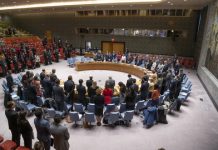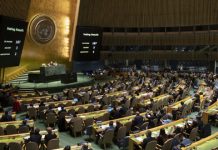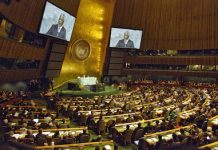

The decision taken by the General Assembly on Tuesday follows recommendations from its Fifth Committee, which is responsible for administrative and budgetary matters.
It comes as the UN continues to face a severe liquidity crunch as governments delay paying their mandatory financial contributions, forcing cuts across the system affecting everything from hiring to peacekeeping operations and humanitarian assistance.
Guterres welcomes key reform
UN Secretary-General António Guterres welcomed the decision in a statement released following the vote, noting that the old financial rules were putting the organization’s “stability at risk.”
“By its vote, the Assembly has agreed to introduce, for a four-year trial period, a new methodology to ensure that unspent funds are returned to Member States only when they are backed by cash,” the UN chief continued.
“This decision will allow us to manage resources, especially for regular and peacekeeping budgets, in a more predictable and responsible way, and to better deliver on the mandates given by Member States.”
‘Critical’ for UN’s immediate future
He described the change as “critical for our immediate operational continuity, especially for peacekeeping operations,” and a major improvement for the next Secretary-General who takes over in January next year.
The UN’s top official will no longer be forced to return funds that were “all too often, never even received in the first place.”
Record level of arrears
The UN ended 2025 with a record high of $1.6 billion in unpaid assessments, according to the Secretary-General latest report on the Organization’s financial status, issued last month.
Overall arrears across the regular budget, peacekeeping and two international tribunals exceed $6.5 billion.
At the beginning of this year, the UN implemented strict cash conservation measures to both reduce and slow expenditures.
“The Secretary-General has requested Member States to either honour their obligations to pay in full and on time or fundamentally overhaul the organization’s financial rules to prevent an imminent collapse,” the report said.
Hamstrung
Until Tuesday night, the financial rules, established 80 years ago, required the UN to give back any unspent funds to Member States as credits against future assessments.
This applied even when underspending results from late contributions or from funds that were never received.
Annalena Baerbock, the General Assembly President, raised the issue in an address to the European Parliament in February.
Highlighting the UN’s “existential liquidity crisis”, she urged European countries “to table proposals to overhaul this Kafkaesque financial rule of reimbursing funds never received.”
Broader message
In her response to the vote, Ms. Baerbock said: “With this landmark resolution, the General Assembly avoided the imminent financial collapse of the UN and modernized an outdated 75-year-old financial rule that has, for too long, undermined the organization’s financial stability.”
She said it also sent “a broader message that in fragmented times, Member States of the UN General Assembly can come together to take decisive action.”
Source of original article: United Nations (news.un.org). Photo credit: UN. The content of this article does not necessarily reflect the views or opinion of Global Diaspora News (www.globaldiasporanews.com).
To submit your press release: (https://www.globaldiasporanews.com/pr).
To advertise on Global Diaspora News: (www.globaldiasporanews.com/ads).
Sign up to Global Diaspora News newsletter (https://www.globaldiasporanews.com/newsletter/) to start receiving updates and opportunities directly in your email inbox for free.