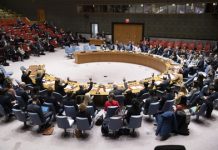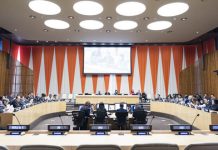

The Independent International Commission of Inquiry on Ukraine, presenting an update to the council, said repeated Russian strikes on energy infrastructure are leaving Ukrainian civilians more exposed as winter approaches following a brutal 2025–2026 season in which temperatures fell to 20°C below and millions endured long power and heating outages.
Dangerous winter looms
A 74-year-old woman in Kyiv, living in an 18th floor apartment, told commissioners that power cuts routinely knocked out the lifts, trapping her without medicine or heat.
“There was no way to go in or out,” she said. “I lay cold and hungry, without medicine, without anything.”
Commission chair Erik Møse said continued attacks on energy infrastructure are making living conditions increasingly unbearable for civilians.
“We are concerned that the coming winter will be more difficult to endure,” he said.
The commission is also examining Russia’s push to embed patriotic and military education in occupied areas, with weapons training compulsory from age 14 and the recruitment of foreign nationals, many lured to Russia by promises of civilian jobs, then pressed into military contracts they could not read.
Some died soon after reaching the front, with others reported missing, injured or captured. Families searching for them said recruiting agents simply stopped answering their calls.
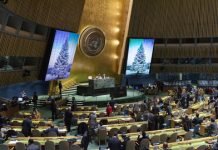
The commission will report fully to the UN General Assembly in October.
No escape abroad
Separately, Mariana Katzarova, the council-appointed Special Rapporteur on human rights in Russia, told delegates in Geneva that Moscow has built a state system to “intimidate and punish critics abroad and coerce their families at home”.
Ms. Katzarova’s report, Nowhere is safe, draws on nearly 400 documented cases and finds Russian repression abroad has risen sharply since the 2022 invasion, with between 650,000 and 900,000 people leaving the country.
Documented incidents rose roughly eight-fold, from 29 in the eight years before 2022 to 89 in the three years since.
Transnational repression
Ms. Katzarova pointed to assassinations, poisonings and assaults targeting exiled journalists and activists, telling delegates that Russia files more INTERPOL “red notices” than any other country, with roughly half of those reviewed in 2024 found to breach INTERPOL’s own rules.
She described a Chechen torture survivor who twice attempted suicide during 18 months in detention in Kazakhstan under a Russian extradition request and who still faces the risk of torture or death if sent back.
“There is nothing inevitable about transnational repression,” Ms. Katzarova said, calling for a binding UN convention setting out host States’ duties to screen Russian arrest requests and protect people at risk.
Both the commission’s members and the Special Rapporteur serve the Human Rights Council in an independent, unpaid capacity and do not speak for the UN.
Source of original article: United Nations (news.un.org). Photo credit: UN. The content of this article does not necessarily reflect the views or opinion of Global Diaspora News (www.globaldiasporanews.com).
To submit your press release: (https://www.globaldiasporanews.com/pr).
To advertise on Global Diaspora News: (www.globaldiasporanews.com/ads).
Sign up to Global Diaspora News newsletter (https://www.globaldiasporanews.com/newsletter/) to start receiving updates and opportunities directly in your email inbox for free.